


Солнечная комната — это особое пространство в доме, наполненное светом и теплом, где можно наслаждаться природой, не выходя на улицу. Она становится местом для отдыха, работы или семейных собраний, объединяя преимущества интерьера и экстерьера. Однако создание такой комнаты требует тщательного планирования, и ключевым элементом успеха является выбор правильных материалов. Неподходящие материалы могут привести к проблемам с теплоизоляцией, конденсацией, долговечностью или эстетикой, превращая мечту в разочарование. В этой статье мы подробно рассмотрим, как подобрать идеальные материалы для солнечной комнаты, основываясь на практических советах, экспертных рекомендациях и реальных примерах. Мы охватим все аспекты: от остекления и каркаса до внутренней отделки и экологических соображений, чтобы помочь вам создать пространство, которое будет радовать годами.
1. Введение: почему материалы так важны для солнечной комнаты
Солнечная комната, часто называемая зимним садом или солярием, проектируется для максимального использования естественного света. Это означает, что она подвержена интенсивному воздействию солнечных лучей, перепадам температур, влажности и другим внешним факторам. Материалы, используемые в ее construction, должны быть не только эстетически привлекательными, но и функциональными: обеспечивать теплоизоляцию, защиту от ультрафиолета, durability, и energy efficiency. Например, неправильное остекление может вызвать эффект теплицы, делая комнату невыносимо жаркой летом и холодной зимой, в то время как низкокачественные каркасные материалы могут привести к протечкам или structural issues. Поэтому выбор материалов — это фундаментальный шаг, который определяет комфорт, cost-effectiveness, и overall satisfaction от проекта. В следующих разделах мы углубимся в детали, начиная с остекления, как наиболее критичного элемента.
Исторически, солнечные комнаты стали популярны в XIX веке в Европе, где они использовались для выращивания растений круглый год. Сегодня они evolved into multifunctional spaces, и advancements in materials science have expanded the options available. Modern materials like low-emissivity glass, thermally broken aluminum, and composite woods offer superior performance compared to traditional choices. Understanding these options is essential for making informed decisions. Additionally, factors such as local climate, architectural style, and personal preferences play a crucial role. For instance, in cold regions, emphasis should be on insulation, while in sunny areas, UV protection and ventilation are priorities. This article will guide you through a step-by-step process, ensuring that your solar room is not just a dream, but a practical and beautiful reality.
Moreover, the environmental impact of materials is increasingly important. Sustainable choices can reduce the carbon footprint of your project and contribute to a healthier indoor environment. We will explore eco-friendly options and how to balance them with performance and budget. Whether you are planning a new construction or renovating an existing space, this comprehensive guide will provide you with the knowledge needed to select materials that align with your vision. Let's start with the heart of the solar room: the glazing.
2. Остекление: сердце солнечной комнаты
Остекление является наиболее важным компонентом солнечной комнаты, так как оно определяет количество света, тепла, и видимости. Существует несколько типов стекла и конструкций, каждый со своими преимуществами и недостатками. Основные варианты включают одинарное стекло, двойное стекло, тройное стекло, и стекло с низкоэмиссионным покрытием (low-e). Одинарное стекло — это самый basic option, но оно offers poor insulation and is prone to condensation, making it unsuitable for most solar rooms except in very mild climates. Двойное стекло, состоящее из двух panes with an air or gas fill between them, provides better thermal performance and is a common choice. Оно reduces heat loss in winter and heat gain in summer, contributing to energy efficiency.
Тройное стекло offers even superior insulation, ideal for extreme climates, but it is heavier and more expensive. Low-e glass has a special coating that reflects infrared light, keeping heat inside in winter and outside in summer, without compromising visible light transmission. This makes it highly effective for solar rooms, as it maximizes natural light while minimizing energy costs. Additionally, consider tempered or laminated glass for safety, especially in overhead applications or areas prone to impact. Tempered glass is stronger and shatters into small, less hazardous pieces, while laminated glass holds together when broken, providing security and noise reduction.
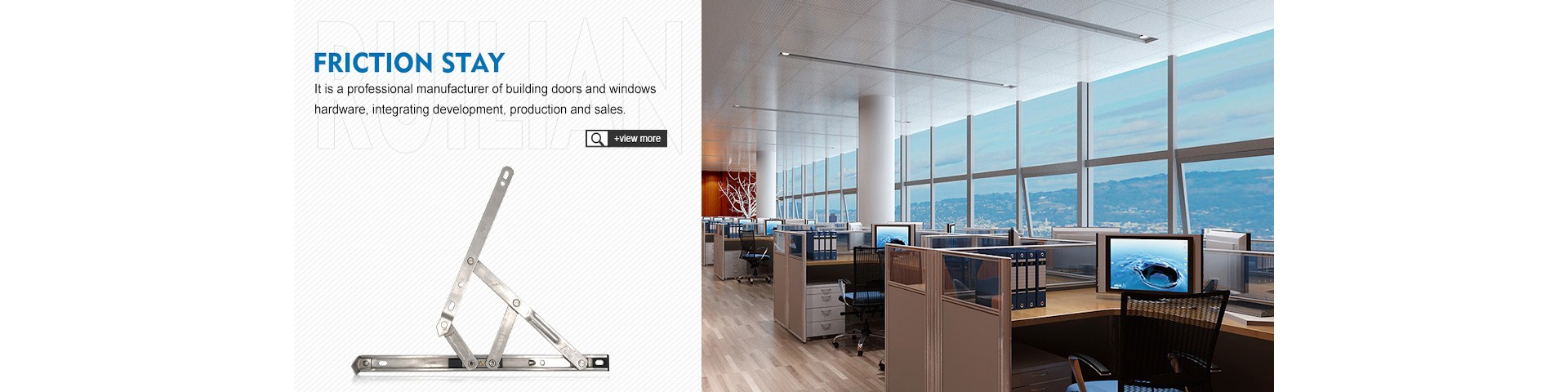
Frame materials for the glazing also matter. Aluminum frames are lightweight, durable, and low-maintenance, but they can conduct heat, leading to thermal bridges. Thermally broken aluminum frames incorporate a barrier to reduce heat transfer, making them more energy-efficient. Wood frames offer excellent insulation and a classic aesthetic, but require regular maintenance to prevent rot and warping. Vinyl frames are affordable and good insulators, but may not be as durable or aesthetically pleasing. Composite frames, made from materials like fiberglass, combine the benefits of multiple materials, offering strength, insulation, and low maintenance. When choosing glazing, also think about the glass-to-frame ratio; larger panes reduce frames and maximize views, but may require stronger support structures.
В заключение, для солнечной комнаты рекомендуется использовать двойное или тройное low-e glass в thermally broken aluminum или composite frames, depending on your budget and climate. Всегда консультируйтесь с профессионалами для точных расчетов нагрузки и установки. Пример из практики: в проекте в Московской области, использование low-e glass снизило затраты на отопление на 20% compared to standard glass, demonstrating the long-term benefits of investing in quality materials.
3. Каркас и структурные материалы: основа прочности
Каркас солнечной комнаты обеспечивает structural integrity и support для остекления. Основные материалы для каркаса включают алюминий, дерево, ПВХ (винил), и сталь. Алюминий популярен due to its strength, lightness, and resistance to corrosion. It is often used in modern designs and can be powder-coated for color and additional protection. However, as mentioned, it can be a poor insulator unless thermally broken. Дерево offers excellent natural insulation and a warm, traditional look, but it requires treatment against moisture, insects, and UV damage. Regular painting or sealing is necessary to maintain its appearance and durability.
ПВХ frames are made from polyvinyl chloride and are known for their good insulation properties, affordability, and low maintenance. They do not rot or corrode, but can become brittle over time in extreme temperatures and may not support heavy glass loads without reinforcement. Сталь is very strong and suitable for large spans or complex designs, but it is heavy, expensive, and prone to rust if not properly coated. Composite materials, such as those blending wood and plastic, offer a balance of insulation, durability, and aesthetics, often with minimal maintenance. When selecting a frame material, consider the overall design of your home; for example, a wooden frame might complement a rustic style, while aluminum suits contemporary architecture.
Additionally, the foundation and connecting elements are crucial. The frame must be securely anchored to the existing structure to prevent leaks and ensure stability. Use high-quality sealants and flashings to waterproof connections. In terms of sustainability, reclaimed wood or recycled aluminum can be eco-friendly choices. Always work with a structural engineer to ensure that the frame can withstand local weather conditions, such as snow loads or high winds. A well-chosen frame not only supports the glass but also enhances the energy efficiency of the room. For instance, in a case study from Siberia, a thermally broken aluminum frame with composite inserts helped maintain indoor temperatures despite harsh winters, showcasing the importance of material selection.
4. Изоляция: комфорт и энергоэффективность
Изоляция жизненно важна для солнечной комнаты, чтобы предотвратить потери тепла зимой и перегрев летом. Основные изоляционные материалы включают минеральную вату, пенополистирол (EPS), экструдированный полистирол (XPS), полиуретановую пену, и натуральные варианты like cellulose or cork. Минеральная вата, made from rock or slag fibers, offers good fire resistance and sound absorption, but can absorb moisture if not properly sealed. EPS and XPS are rigid foam boards that provide high R-values (measure of insulation) and are moisture-resistant, making them suitable for floors and walls.
Полиуретановая пена sprayed or injected, creates an airtight seal and excellent insulation, but can be more expensive. Натуральные изоляторы, такие как cellulose (made from recycled paper) or cork, are eco-friendly and effective, but may require thicker layers to achieve the same performance. In solar rooms, insulation should be applied in the roof, walls, and floor, with attention to thermal bridges—areas where heat can escape, such as frame connections. Use continuous insulation layers and ensure proper vapor barriers to prevent condensation, which can lead to mold and damage.
Для остекления, как discussed, double or triple glazing with gas fills (like argon or krypton) enhances insulation. Additionally, consider installing blinds or shades that can be used to control solar gain; automated systems can adjust based on sunlight, improving energy efficiency. The goal is to achieve a balance: enough insulation to keep the room comfortable year-round without excessive energy use. In warmer climates, reflective coatings or external shading devices can reduce cooling needs. A well-insulated solar room can serve as a passive solar heater, capturing and storing heat during the day to reduce reliance on artificial heating. For example, a project in Sochi used XPS insulation in the floor and walls, combined with low-e glass, resulting in a 30% reduction in energy consumption compared to a poorly insulated design.
5. Напольные покрытия: практичность и эстетика
Напольные покрытия в солнечной комнате должны быть durable, resistant to UV light and moisture, and aesthetically pleasing. Common options include tile, stone, engineered wood, laminate, vinyl, and concrete. Керамическая или керамогранитная плитка is highly durable, easy to clean, and resistant to water and sun damage, making it ideal for solar rooms. It comes in various styles and can mimic natural materials. Натуральный камень, such as slate or travertine, offers a timeless look and good durability, but may require sealing to prevent staining and moisture absorption.
6. Мебель и аксессуары: завершающие штрихи
Мебель и аксессуары добавляют personality and functionality to the solar room. Choose materials that can withstand sunlight and temperature changes. For furniture, opt for synthetic wicker, aluminum, or treated wood that is UV-resistant. Avoid materials that fade or warp easily, such as certain plastics or untreated fabrics. Cushions and textiles should be made from outdoor-grade fabrics that are fade-resistant and quick-drying. Add plants to enhance the natural feel; select species that thrive in bright, indirect light. Accessories like rugs should be indoor-outdoor types to handle moisture. Lighting is also important; use LED fixtures for energy efficiency and consider dimmable options to create ambiance. The key is to create a cohesive look that complements the materials used in the structure.
7. Экологические аспекты: устойчивый выбор
Выбор экологичных материалов not only benefits the environment but can also improve indoor air quality and reduce long-term costs. Look for materials with low VOC (volatile organic compound) emissions, such as natural paints and finishes. Use recycled or renewable materials, like bamboo flooring or reclaimed wood for frames. Energy-efficient glazing and insulation contribute to lower carbon footprints. Additionally, consider rainwater harvesting systems or solar panels integrated into the design to make the room more self-sufficient. Certifications like LEED or BREEAM can guide you toward sustainable options. By prioritizing eco-friendly materials, you create a healthier space and support global sustainability efforts.
8. Бюджет и планирование: реалистичный подход
Бюджетирование является critical for any project. Determine your total budget early and allocate funds wisely, prioritizing essential elements like glazing and insulation. High-quality materials may have higher upfront costs but offer savings through durability and energy efficiency. Get multiple quotes from suppliers and contractors, and consider DIY aspects if you have the skills, but hire professionals for complex tasks like structural work. Plan for contingencies, as unexpected issues can arise. Financing options or phased construction can help manage costs. Remember, a well-planned solar room is an investment that adds value to your home.
9. Заключение: воплощение мечты в реальность
Создание солнечной комнаты — это exciting journey that requires careful material selection. By focusing on quality glazing, sturdy frames, effective insulation, practical flooring, and thoughtful accessories, you can build a space that is beautiful, comfortable, and efficient. Consider environmental impacts and budget constraints to make informed choices. Start with a clear vision, consult experts, and enjoy the process. Your solar room will become a cherished part of your home, bringing light and joy for years to come.
 1388xx888xx