

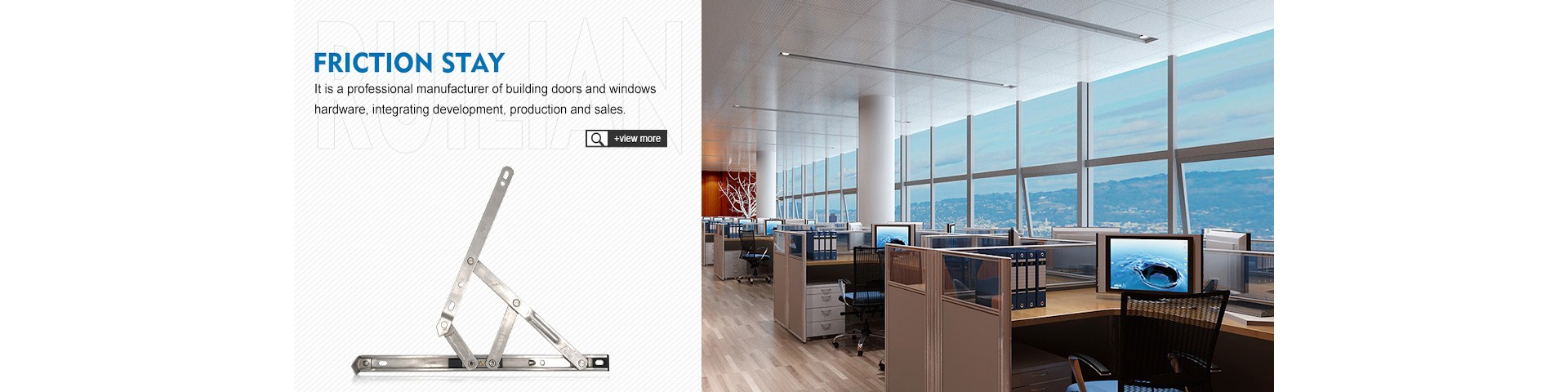

В современной архитектуре фазады зданий, выполненные из стекла и металла, занимают особое место, символизируя прогресс, инновации и стремление к гармонии с окружающей средой. Эти материалы не только придают сооружениям элегантный и современный вид, но и предлагают множество функциональных преимуществ, таких как энергоэффективность, долговечность и экологичность. В этой статье мы подробно рассмотрим, почему стекло и металл стали доминирующими в современном строительстве, какие вызовы они представляют, и как они формируют будущее городских ландшафтов.
Исторический контекст: От традиции к инновациям
История использования стекла и металла в архитектуре уходит корнями в XIX век, с появлением промышленной революции. Первые значительные примеры включают Хрустальный дворец в Лондоне, построенный в 1851 году, который демонстрировал возможности стекла и чугуна для создания легких и светлых пространств. Однако массовое распространение этих материалов началось лишь в XX веке, с развитием технологий производства и обработки. В 1920-х годах архитекторы баухауса, такие как Вальтер Гропиус, пропагандировали использование стекла и стали для создания функциональных и минималистичных зданий, что заложило основы современного дизайна. К середине века, с ростом урбанизации и появлением небоскребов, стеклянные фазады стали символом корпоративной мощи и технологического прогресса, как в случае с Сигрэм-билдинг в Нью-Йорке, спроектированным Мис ван дер Роэ. Сегодня, в XXI веке, advancements in materials science have enabled even more sophisticated applications, such as smart glass that changes transparency or photovoltaic integrated surfaces, pushing the boundaries of what is possible. This evolution reflects a broader shift in architectural philosophy: from heavy, ornamented structures to lightweight, transparent forms that prioritize light, space, and connectivity with the environment. The adoption of glass and metal facades is not merely a trend but a response to global challenges like urbanization, climate change, and the need for sustainable development. As cities continue to grow, these materials offer a way to create buildings that are not only aesthetically pleasing but also resilient and adaptable to future needs. In essence, the historical journey of glass and metal in architecture mirrors humanity's quest for innovation and efficiency, and their current prevalence is a testament to their enduring appeal and utility.
Эстетические преимущества: Красота в прозрачности и блеске
Одним из ключевых достоинств стеклянных и металлических фасадов является их способность создавать визуально привлекательные и современные образы. Стекло, с его прозрачностью и светопропусканием, позволяет зданиям буквально растворяться в окружающем пространстве, отражая небо, городские пейзажи и меняющиеся условия освещения. Это создает динамичный и ever-changing внешний вид, который enhances the urban experience. Например, небоскребы в Дубае или Шанхае используют зеркальные стеклянные поверхности для создания эффекта бесконечности и luxury, привлекая внимание и символизируя prosperity. Металл, часто используемый в сочетании со стеклом, добавляет элементы прочности, текстуры и современного шика. Алюминий, сталь и титан могут быть обработаны в различные finishes—от матовых до глянцевых—позволяя архитекторам играть с light and shadow, создавая глубину и интерес. Кроме того, комбинация стекла и металла facilitates the creation of clean lines, geometric patterns, and minimalist designs that are hallmarks of contemporary architecture. This aesthetic is not just about looks; it also promotes a sense of openness and accessibility, making buildings feel more inviting and human-centric. In public spaces, such as museums or cultural centers, glass facades can blur the boundaries between inside and outside, encouraging interaction and community engagement. However, critics argue that excessive use of glass can lead to sterile or impersonal environments, but when executed with care—incorporating elements like green walls or artistic installations—these facades can become iconic landmarks. Ultimately, the beauty of glass and metal lies in their versatility: they can be tailored to suit any context, from corporate headquarters to residential towers, always delivering a forward-looking and sophisticated appeal that resonates with modern sensibilities.
Функциональные аспекты: Энергоэффективность и комфорт
За внешней эстетикой скрываются серьезные функциональные преимущества, которые делают стеклянные и металлические фасады предпочтительным выбором для современных зданий. Прежде всего, энергоэффективность: современные стеклопакеты с низкоэмиссионными покрытиями и заполнением аргоном significantly reduce heat loss in winter and heat gain in summer, leading to lower energy consumption for heating and cooling. For instance, double or triple glazing can achieve U-values as low as 0.5 W/m²K, compared to traditional single-pane windows that may be around 5.0 W/m²K. Metal components, such as aluminum frames, are often thermally broken to prevent thermal bridging, further enhancing insulation. Additionally, the integration of photovoltaic cells into glass panels allows buildings to generate their own electricity, contributing to net-zero energy goals. Daylighting is another critical benefit; glass facades maximize natural light penetration, reducing the need for artificial lighting and improving occupant well-being and productivity. Studies show that access to natural light can boost mood and reduce eye strain, making such buildings healthier places to live and work. Moreover, these materials offer excellent durability and low maintenance. Metal, particularly aluminum and stainless steel, is resistant to corrosion and weathering, while tempered or laminated glass provides safety and security against impacts and break-ins. However, challenges exist, such as the risk of overheating in sunny climates, which can be mitigated with smart glass technologies that adjust tint automatically or with external shading devices. In terms of acoustics, modern glass facades can be designed with sound-insulating properties to reduce noise pollution from urban environments. Overall, the functional superiority of glass and metal facades makes them a smart investment for long-term sustainability and comfort, aligning with global efforts to reduce carbon footprints and create smarter, more resilient cities.
Экологические соображения: Устойчивость и переработка
В эпоху растущей обеспокоенности изменением климата экологические аспекты строительных материалов становятся все более важными. Стекло и металл предлагают значительные преимущества с точки зрения устойчивости. Оба материала highly recyclable: glass can be recycled indefinitely without loss of quality, and metals like aluminum require only 5% of the energy needed to produce new metal from ore. This circular economy approach reduces waste and conserves natural resources. For example, the construction industry is increasingly using recycled content in glass and metal products, with some facades containing up to 80% recycled material. Furthermore, the longevity of these materials means that buildings have a longer lifespan, reducing the need for frequent renovations and associated environmental impacts. Glass facades also contribute to passive solar design, allowing buildings to harness solar energy for heating in winter while minimizing it in summer, thus lowering reliance on fossil fuels. However, there are environmental drawbacks to consider. The production of glass and metal is energy-intensive, particularly for primary production, and can generate greenhouse gas emissions. For instance, manufacturing float glass involves high temperatures, and aluminum production is a major source of CO2. To address this, industry is adopting greener practices, such as using renewable energy in manufacturing processes and developing low-carbon alternatives. Additionally, end-of-life considerations are crucial; proper recycling infrastructure must be in place to ensure that materials are recovered and reused. Innovations like bio-based coatings or composite materials are emerging to enhance sustainability further. In summary, while glass and metal facades are not without their environmental costs, their recyclability, durability, and energy-saving potential make them a key part of sustainable architecture. By choosing these materials wisely and supporting circular economy initiatives, we can minimize their ecological footprint and move towards a more sustainable built environment.
Технологические инновации: Умные фасады и будущие тенденции
Будущее стеклянных и металлических фасадов тесно связано с технологическими инновациями, которые transform them from static elements into dynamic, responsive systems. Smart glass, for example, can change its transparency based on electrical signals, allowing for on-demand privacy and solar control. This technology, known as electrochromic or photochromic glass, is already being used in high-end buildings to optimize daylight and reduce energy use. Another advancement is the integration of Internet of Things (IoT) sensors into facades, enabling real-time monitoring of environmental conditions such as temperature, humidity, and air quality. This data can be used to automate building systems, improving efficiency and occupant comfort. Metal components are also evolving, with developments in nanomaterials that offer enhanced strength, lighter weight, and self-cleaning properties. For instance, titanium dioxide coatings on glass can break down dirt and pollutants through photocatalysis, reducing maintenance needs. 3D printing is another frontier, allowing for the creation of complex, customized facade elements that were previously impossible to manufacture. Looking ahead, we can expect to see more biomimetic designs inspired by nature, such as facades that mimic the breathing of leaves to regulate airflow. Additionally, the rise of building-integrated photovoltaics (BIPV) will make facades not just energy-efficient but energy-generating, contributing to grid independence. However, these innovations come with challenges, including high costs, technical complexity, and the need for skilled labor. Despite this, the trend is clear: facades are becoming smarter, more interactive, and integral to the overall performance of buildings. As technology continues to advance, we may even see facades that adapt to weather conditions or user preferences in real-time, blurring the line between architecture and technology. This evolution promises to make our cities more livable, efficient, and sustainable, but it requires continued investment in research and development to overcome barriers and realize the full potential of these materials.
Вызовы и ограничения: Практические аспекты использования
Несмотря на многочисленные преимущества, использование стекла и металла в фасадах сопряжено с определенными вызовами и ограничениями, которые необходимо учитывать при проектировании и строительстве. Одной из основных проблем является стоимость: высококачественное стекло и металлические системы могут быть значительно дороже традиционных материалов, таких как кирпич или бетон. Это включает не только initial investment но и ongoing maintenance, например, регулярную очистку стеклянных поверхностей для поддержания внешнего вида. Кроме того, в регионах с экстремальными климатическими условиями, таких как районы с сильными ветрами или землетрясениями, фасады должны быть спроектированы с учетом структурной integrity, что может потребовать усиленных рам и специальных креплений, увеличивающих сложность и затраты. Еще одним ограничением является потенциальное тепловое излучение: glass facades can act like greenhouses, leading to overheating in summer, which must be counteracted with shading systems or advanced glazing. Acoustics can also be an issue, as glass may not provide sufficient sound insulation in noisy urban areas, requiring additional layers or materials to meet comfort standards. С точки зрения безопасности, there is a risk of breakage or vandalism, though tempered and laminated glass mitigate this to some extent. Furthermore, the aesthetic uniformity of glass and metal facades has been criticized for creating generic, soulless cityscapes that lack cultural identity. To address these challenges, architects and engineers are developing integrated solutions, such as hybrid facades that combine glass with other materials like wood or stone, or adaptive systems that respond to environmental changes. Education and training are also key to ensuring that professionals have the skills to implement these technologies effectively. In conclusion, while glass and metal facades offer immense benefits, their successful application requires careful planning, innovation, and a balanced approach that considers both aesthetic and practical concerns. By acknowledging and overcoming these limitations, we can harness the full potential of these materials to create buildings that are not only beautiful but also functional and sustainable.
Заключение: Будущее архитектуры с стеклом и металлом
В заключение, современные фасады из стекла и металла представляют собой мощный символ инноваций и устойчивости в архитектуре. Их эстетическая привлекательность, функциональные преимущества и экологический потенциал делают их незаменимыми для создания будущих городов. От исторических корней до технологических прорывов, эти материалы продолжают развиваться, предлагая решения для таких глобальных вызовов, как урбанизация, изменение климата и нехватка ресурсов. Однако для максимальной отдачи необходимо addressing associated challenges through innovation, collaboration, and responsible practices. As we move forward, the integration of smart technologies, recycled materials, and human-centric design will ensure that glass and metal facades remain at the forefront of architectural excellence. Ultimately, they are not just building envelopes but active participants in shaping a more sustainable, efficient, and beautiful world for generations to come.
 1388xx888xx